Welcome to Dwelling in the Word, a blog by Rev. Breen Marie Sipes. This post is full of links to resources provided as part of the MMC One Day Workshop, MMC Spirit and Song Leadership, and the Intergenerate Workshop “Intergenerational Worship: The Work of ALL People,” all presented in conjunction with Intergenerate in Nashville, TN in June of 2023.
Intergenerational Worship: The Work of ALL People
Here are some of the resources from the workshop at the Intergenerate Conference:
Here is a list of the songs and texts (with links!) that Paul Vasile and Breen Sipes led during the June 2023 Music that Makes Community One Day Workshop at St. David’s Episcopal Church in Nashville, TN:
You might think you know the story of Christmas from the Bible, with shepherds and angels, and Mary and Joseph, with wise men and a baby in a manger. But do you know the WHOLE story? Do you know about John the Baptist’s dad, Zechariah, and how he didn’t get to talk for the whole nine months before his son’s birth? Did you know about Mary’s questions for Gabriel, and her part in agreeing to God’s plan? Did you know that Simeon and Anna waited their whole long lives for Jesus, and were almost as excited as the shepherds to meet him? This lectionary introduces a deep dive into the WHOLE story of the birth of Jesus, from beginning to end. It begins on Christ the King Sunday and ends sometime toward the end of January. It is a lot longer than the typical Advent and Christmas season, but, over time, helps people of faith to really soak in the whole story and how the story we know connects the the wider story which includes people of all generations, genders, and socio-economic statuses. It is truly a story for all of us.
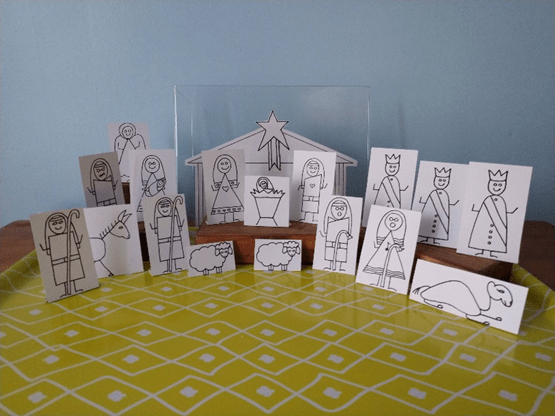
Here are the readings for each Sunday. There also also companion resources, including a Please-Touch Nativity and daily devotion book hosted on our sister site, Family God Time (see below). May these resources be a blessing to you!
This prayer practice was developed by Rev. Patrick Sipes for First Evangelical Lutheran Church in North Platte, Nebraska. Offered at the beginning of worship during the season of Easter 2022.
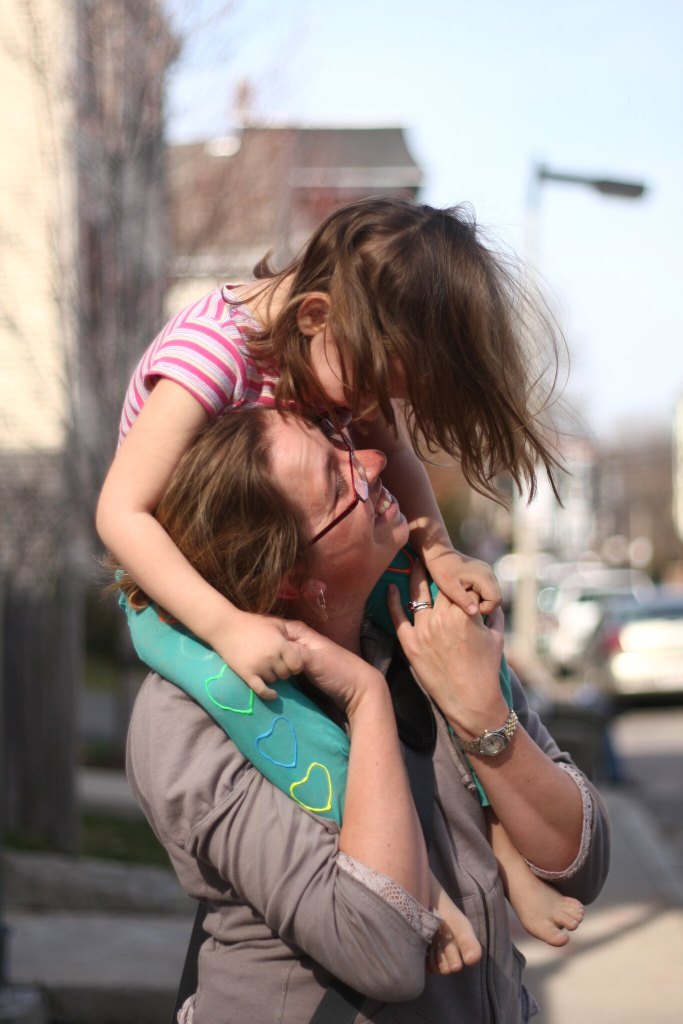
“she still likes shoulder rides” by moominmolly on flickr.com
Two thoughts are leading us into this prayer practice for the rest of the season of Easter. One is a 10 cent word that I came across in my studies, “generativity”, which is a word that carries a lot with it. There is a sense of the word that speaks to the ability of something to be able to create or generate new things or life. There is a sense that it speaks to a concern to nurture and guide younger people and contribute to the next generation. There is a sense that to be generative is to be in and remain in a cycle of growth rather than decline. I bring this up not to increase your vocabulary but to point out that one thing healthy churches have in common is that they are generative, and that the more generative a church is, the healthier it tends to be.
Generativity does not just come out of nowhere however, it really takes a sense that you are involved in something bigger than yourself, something that started before you were here, and something that will continue when you are gone. A sense that we contribute to things directly for a few seasons, but that the more important contribution we make is not to the thing itself, but rather the indirect contribution of raising up and training those who will carry on after us, and then giving them the freedom to continue as they see fit and to adjust to the world as they need to.
In thinking of this, the phrase, “Standing on the Shoulders of Giants” came to my mind. It dates back to the 12th century to Bernard of Chartres, but is usually attributed to Issacc Newton, who, in a letter to Robert Hooke, said to Hooke, “If I have seen further, it is by standing on the shoulders of giants.” What Newton and Bernard were getting at is that they did not get to the places they were, they did not make the discoveries they did, they did not create all that they did, without all of the work that had come before them, without all this, they would be nothing.
As we gather today, we stand on the shoulders of giants. We have played our part, but we did not found this church or the town of North Platte, and even those that did, did not start the Church or found civilization, we are where we are after a long line of people. And so I invite you today in prayer to start with recognizing whose shoulders you stand on, who got you to where you are, who your teachers and mentors and inspirations have been. Take some time to thank God for these people.
And then, pray for who you would like to place on your shoulders, what is it that you have to pass on, to teach, to gift to another, and who might that be? My hope is that you will be able to reach out to them in the near future, but you need to know who first. And so let us pray over these things today, Whose shoulders do we stand on, and who we would like to stand on ours?
In the Liturgy for Ash Wednesday, we are invited into the disciplines of Lent which include self-examination and repentance. We work to live into this particular discipline at least in part though the inclusion of and Order for Confession and Forgiveness as part of our worship service. However, this Order, at times runs the risk of being a thing we do as a matter of Rote rather than a matter of Ritual meant to help us know how follow Jesus more closely as well as where we need his forgiveness most acutely. To help us enter our time of confession more aware of what we are bringing to God, I want to invite you over the course of the next five Sundays to reflect on the Ten Commandments two at a time as well as their meanings from Martin Luther’s Small Catechism. In our confession we often use the blanket statement of confessing “the things we have done and the things we have left undone.” Luther in his explanations of the commandments, tries to bring out what the commandments prohibit us from as well as what they prescribe for us to do in keeping them more fully. As you reflect on the commandments, bring to God not only where you have failed by breaking the commandments, but also envision the repentant life God is inviting you to of keeping the commandment more fully. Finally, bring all of this to God as we gather this morning for confession.
Reflect on the Ten Commandments two at a time through the Five Sundays of Lent, not including Palm Sunday.
The First Commandment
You shall have no other gods.
What does this mean?
We are to fear, love, and trust God above all things.
The Second Commandment
You shall not make wrongful use of the name of the Lord your God.
What does this mean?
We are to fear and love God, so that we do not curse, swear, practice magic, lie, or deceive using God’s name, but instead use that very name in every time of need to call on, pray to, praise, and give thanks to God.
The Third Commandment
Remember the sabbath day, and keep it holy.
What does this mean?
We are to fear and love God, so that we do not despise preaching or God’s word, but instead keep that word holy and gladly hear and learn it.
The Fourth Commandment
Honor your father and your mother.
What does this mean?
We are to fear and love God, so that we neither despise nor anger our parents and others in authority, but instead honor, serve, obey, love, and respect them.
The Fifth Commandment
You shall not murder.
What does this mean?
We are to fear and love God, so that we neither endanger nor harm the lives of our neighbors, but instead help and support them in all of life’s needs.
The Sixth Commandment
You shall not commit adultery.
What does this mean?
We are to fear and love God, so that we lead pure and decent lives in word and deed, and each of us loves and honors his or her spouse.
The Seventh Commandment
You shall not steal.
What does this mean?
We are to fear and love God, so that we neither take our neighbors’ money or property nor acquire them by using shoddy merchandise or crooked deals, but instead help them to improve and protect their property and income.
The Eighth Commandment
You shall not bear false witness against your neighbor.
What does this mean?
We are to fear and love God, so that we do not tell lies about our neighbors, betray or slander them, or destroy their reputations. Instead we are to come to their defense, speak well of them, and interpret everything they do in the best possible light.
The Ninth Commandment
You shall not covet your neighbor’s house.
What does this mean?
We are to fear and love God, so that we do not try to trick our neighbors out of their inheritance or property or try to get it for ourselves by claiming to have a legal right to it and the like, but instead be of help and service to them in keeping what is theirs.
The Tenth Commandment
You shall not covet your neighbor’s wife, or male or female slave, or ox, or donkey, or anything that belongs to your neighbor.
What does this mean?
We are to fear and love God, so that we do not entice, force, or steal away from our neighbors their spouses, household workers, or livestock, but instead urge them to stay and fulfill their responsibilities to our neighbors.
This Prayer Practice is provided by Pastor Patrick L. Sipes of First Evangelical Lutheran Church in North Platte, Nebraska. It will be used during Lenten midweek services in 2022.
This year on Wednesday’s during Lent we are using an excellent resource provided by Deacon Timothy Siburg, Director for Mission, Innovation and Stewardship for the Nebraska Synod. The heart of this liturgy is an invitation to ask big questions of ourselves and God. You can find the liturgy here: https://nebraskasynod.org/for-congregations/worship/
The big questions in relation to all we have experienced over the last two years through the pandemic and other upheavals around the globe are as follows:
Why? What is our purpose?
Where is God in this?
Who are we called to be?
How do we get there? What’s next? What does this mean? What does this mean for us?
Before we get to these questions though, I would like to invite you into a time of prayer that can help you get more comfortable with asking questions of and to God. We do this because questioning God is something many people were taught not to do. They were taught that our duty is simply to accept what God does without question. So to ask questions of God may be new for you, it may go against what you were taught as your faith formed, and given that, it may be something very uncomfortable for you.
To boldly ask questions of God though puts you in good company. Jesus himself comes to God in a posture of questioning. Wondering in the Garden of Gethsemane with the repeated word “if”. “If it is possible, let this cup pass from me” and “if this cannot pass unless I drink it” In both cases, Jesus concedes to God’s will, but his posture of questioning whether there might be another way is clear. In his posture, we are invited to question ourselves, with the purpose of our prayer, like Jesus’ to align out will with that of God. However, that alignment does not happen in an authentic way without our asking the questions we need to.
To help us begin asking questions with this prayer practice, you will need a small piece of sturdy paper that you will use multiple times and a pen or pencil. Begin praying by asking God a question and as you do so, write a large question mark in the center of your paper. Follow that question with another, and as you ask it, loosely trace another question mark over the first. Continue with your questions and your repeated marking of question marks, as you do so, take time to listen, and as your question mark becomes more and more bold through repeated questions, allow your questions of God to become more bold as well.
Through this season of Lent, carry the questions you ask with you, continue to be in conversation about them with God, and take note of any answers that you might receive.
The following prayer practice is offered by Pastor Patrick Sipes for First Evangelical Lutheran Church in North Platte, Nebraska for the season of Epiphany 2022.
Prayer Practice
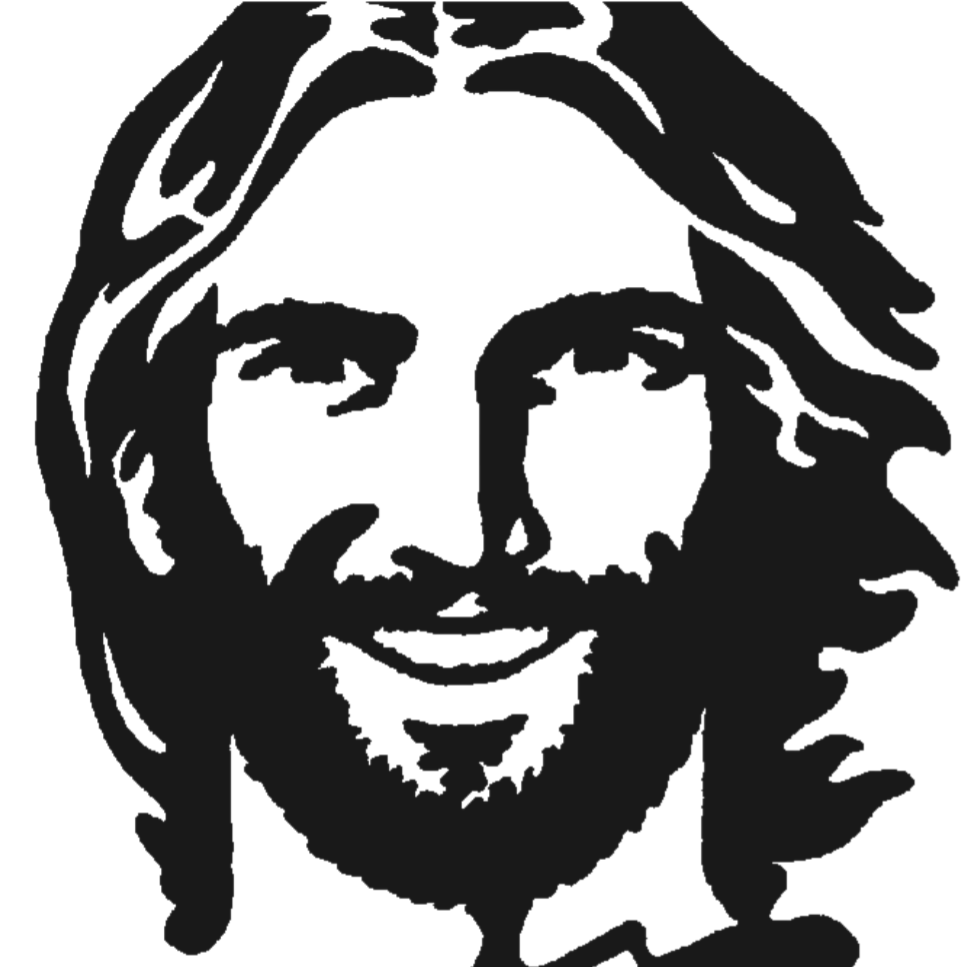
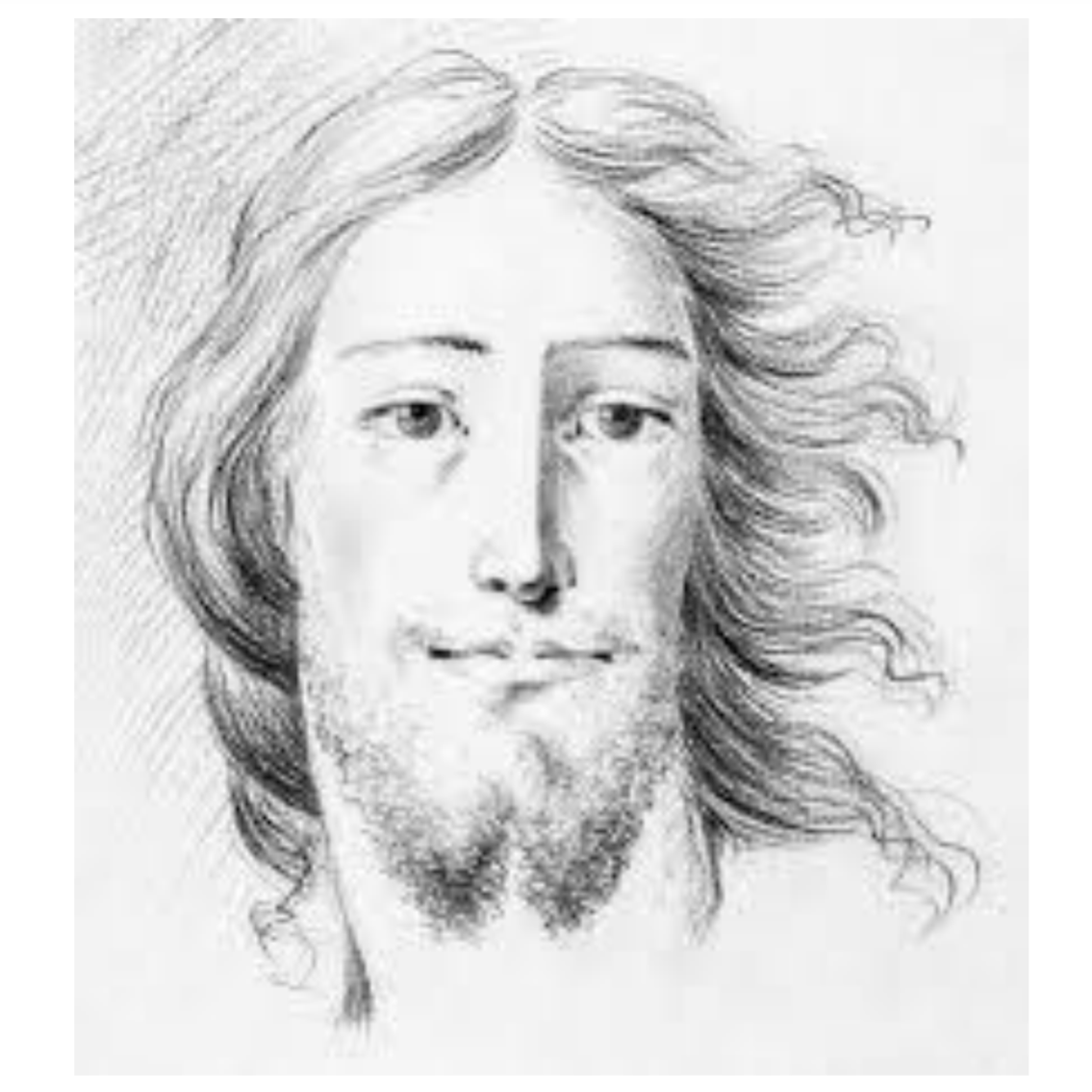
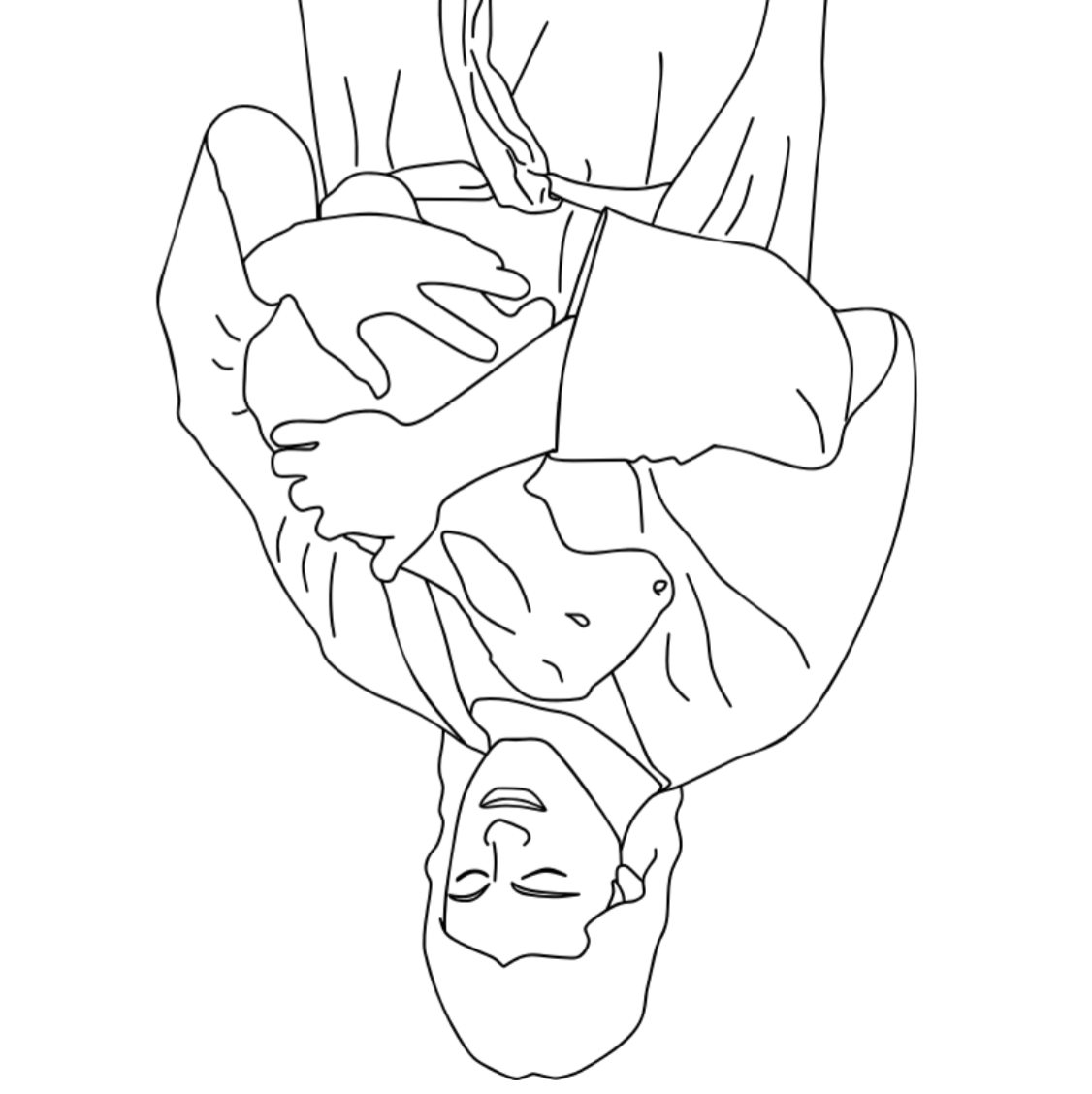
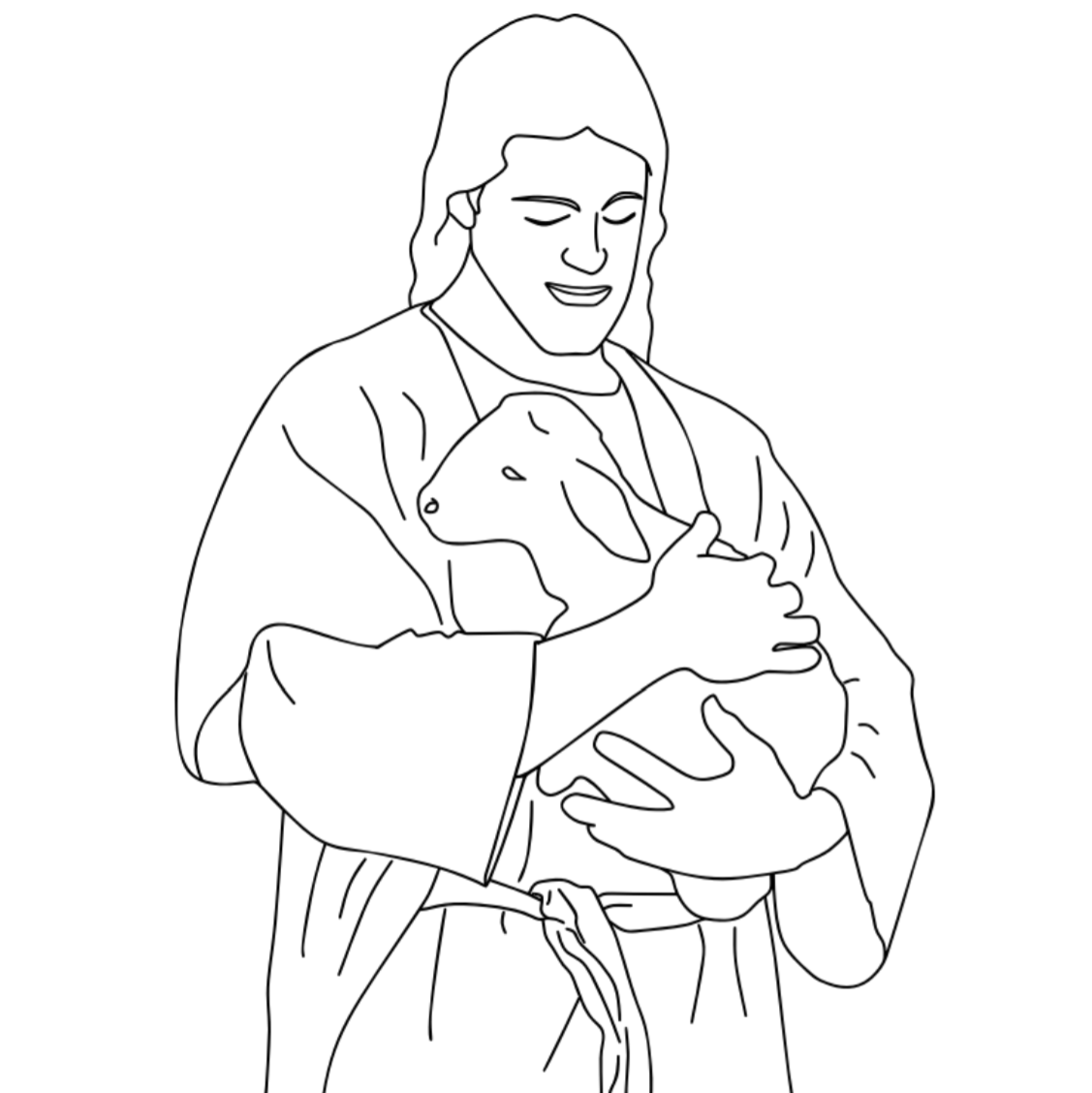
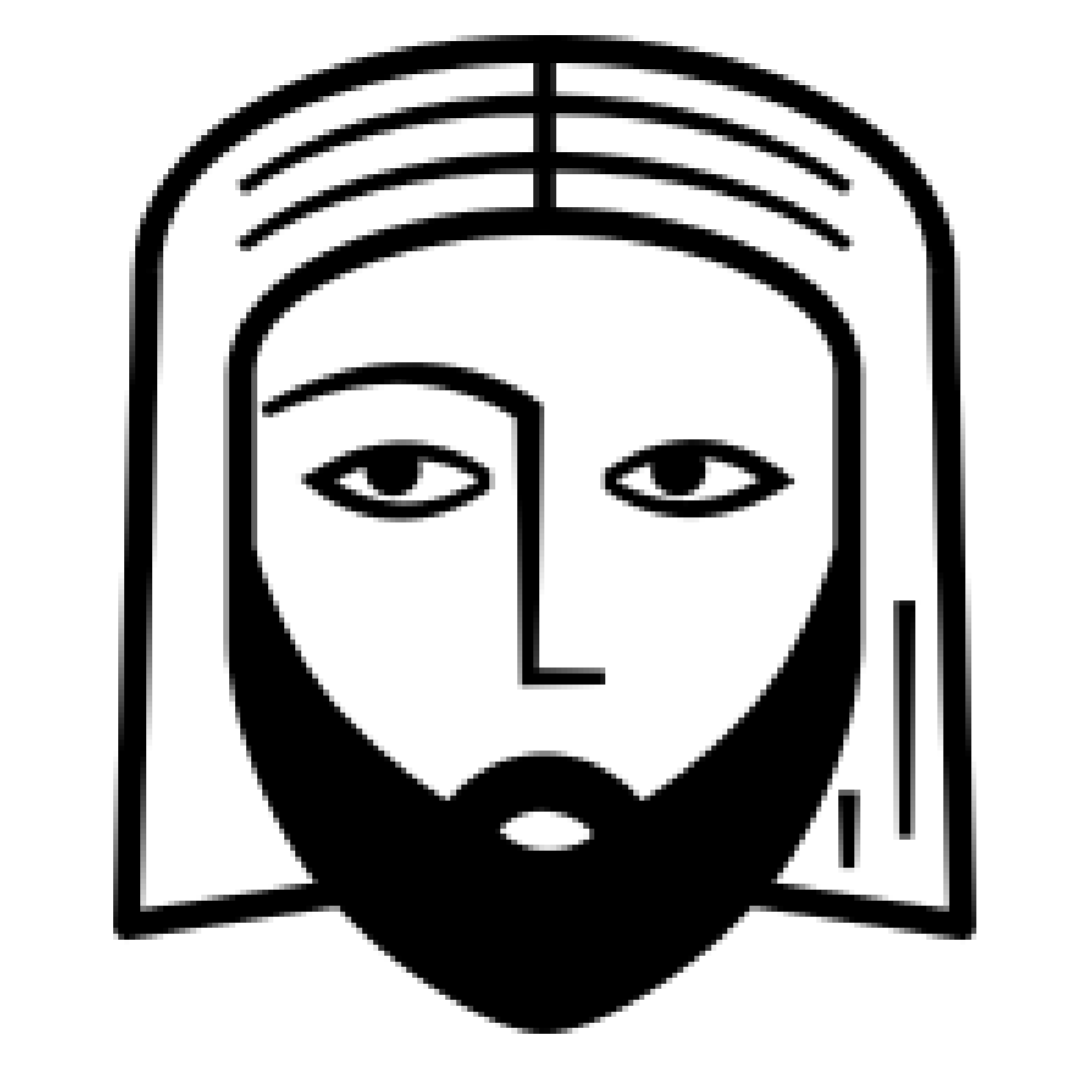
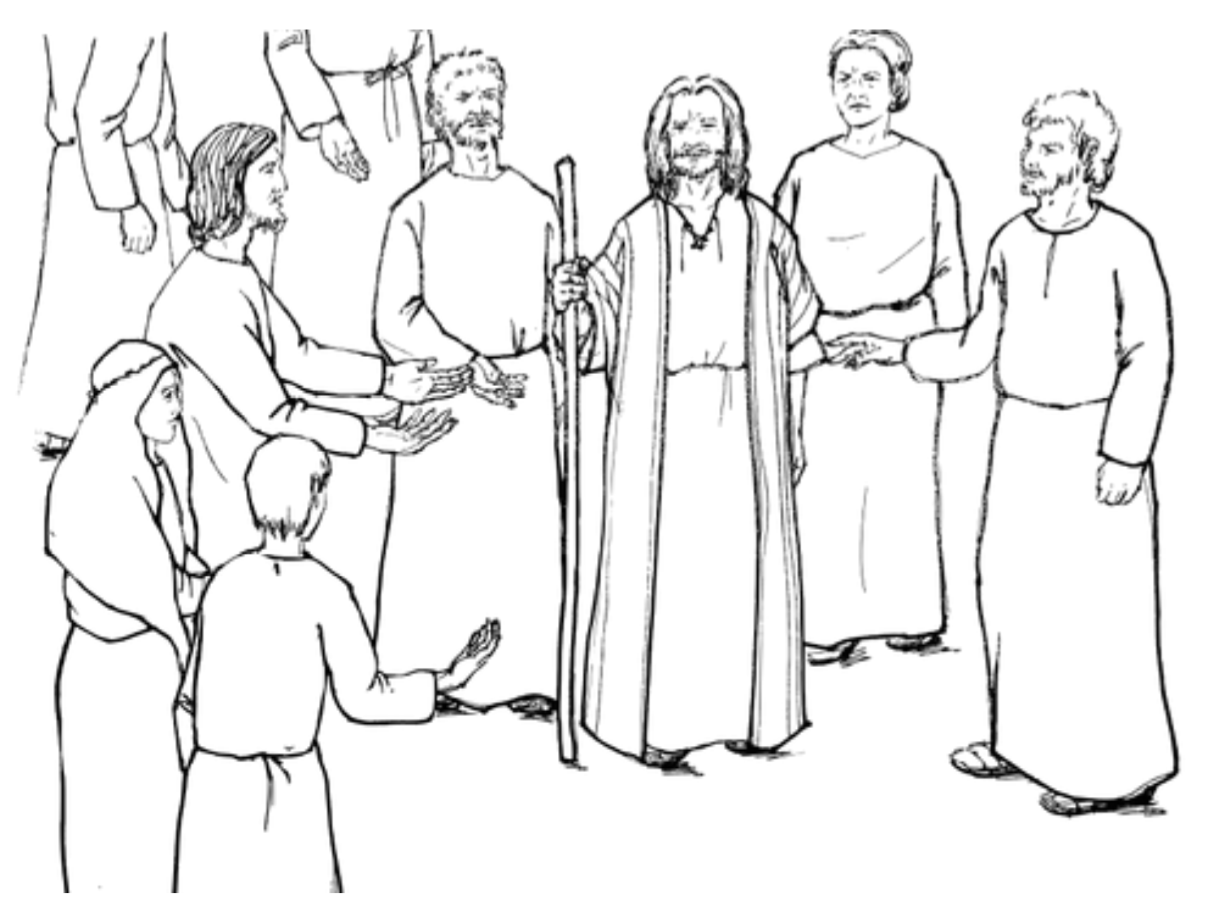
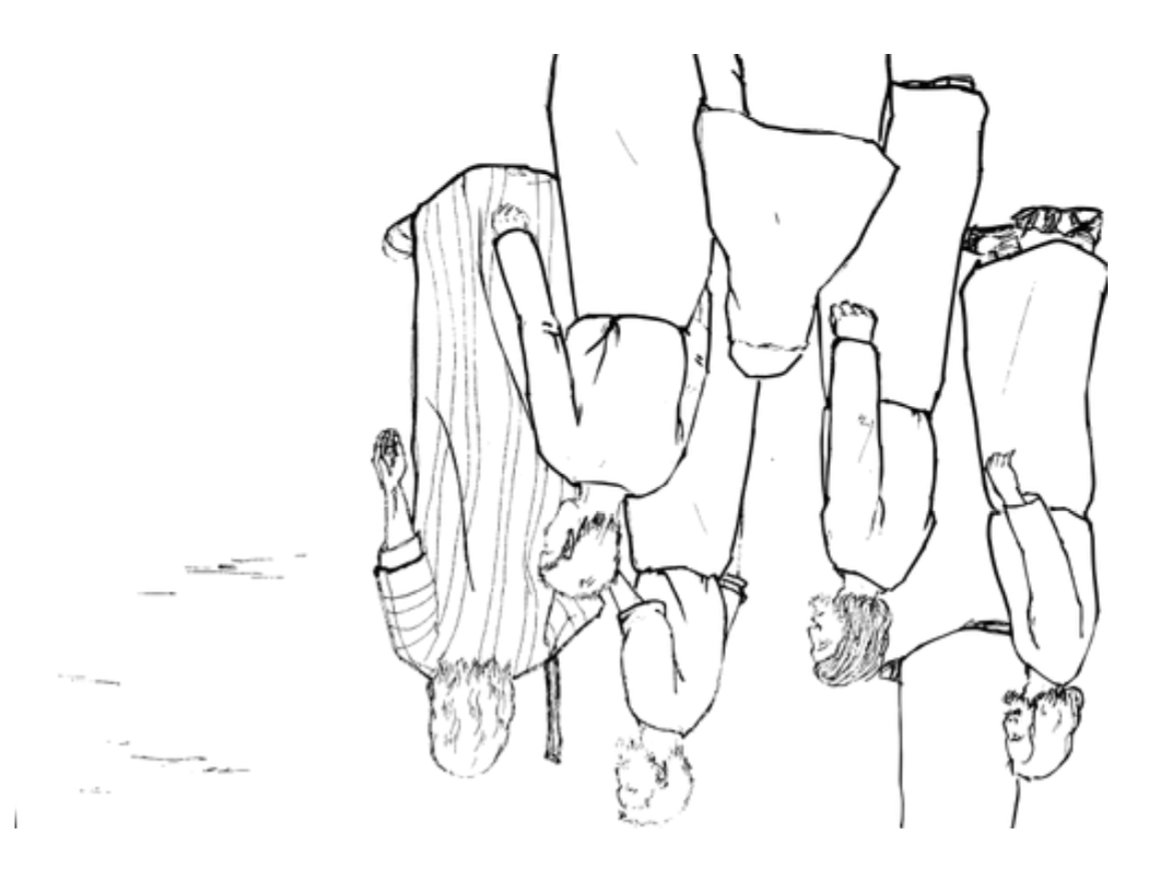
During the Season after the Epiphany, the gospel readings share stories of how Jesus is revealed to us as God’s son. For a prayer practice during this time, you are invited to take a picture of Jesus (a sample sheet is provided below), and hold it in your hands.
Begin with the picture upside down, so you cannot see Jesus. As we live our day to day life, there are often times when we don’t think about Jesus, or if we do, it might be hard to see where his presence is. Bring to you space of prayer (Body, Mind, and Heart) where some of these places are that you have trouble seeing or remembering the presence of Jesus. Ask God to reveal Jesus to you in these places this week, and then look for Jesus to show up.
Next, turn the picture over, and spend a few moments looking at your picture of Jesus. What is revealed to you about the person and Godhood of Jesus by this picture? Where do you see these same things revealed to you in the world around you? Take some time to revel in these revelations and then thank God for the times and places that you see Jesus revealed to you in the world around you.
Guiding Principles of Spirit-Filled Cross+Generational FaithFormation in EVERY Congregation
– Rev. Breen Marie Sipes
Nebraska Synod Re:Formation Workshop: October 19, 2021 at 1:30 PM on Zoom
Cross+Generational Faith Formation which is meaningful and engaging for all ages and stages can be daunting to begin, and challenging to sustain. Whether you are a beginner or looking to up your Cross+Gen game, join Rev. Breen Marie Sipes as we explore six guiding principles which spark and sustain Cross-Generational Faith Formation through the gifts of the Spirit. During this workshop you will discover the principles, investigate how they apply in real-world scenarios, and explore how you can immediately begin using these principles to take it home to your own context. This will be a hybrid workshop, available both in person and online. Bring a notebook, writing utensil, and a willingness to engage one or two partners in discussion over the course of our time together.
Rev. Breen Marie Sipes is usually a parish pastor, and currently the full-time home educator of her three children. She is an active member of the Nebraska Synod’s 4G Network, and an emerging leader in Music the Makes Community. She curates the weekly Taking Worship Home website (https://takingworshiphome.weebly.com/), as well as providing curriculum and ministry ideas for children, youth, adults, and Cross+Gen ministry through Feed My Faith (https://feedmyfaith.weebly.com/). She lives in North Platte, Nebraska with her husband, 3 children, 2 cats, and 1 dog.
The following is a guest post by my husband, Rev. Patrick L. Sipes. It is a prayer practice developed for First Evangelical Lutheran Church in North Platte, Nebraska for use at the beginning of worship, and throughout the week. We pray it may help to deepen your conversations with God.
The congregation I serve has been going through the Faith5 course over the last few weeks and one thing that has stuck with me that Dr. Rich Melheim says is that, “if you don’t know your highs and lows (the good and the bad things that are going on in your life) you don’t really know yourself.” I also had one of my class members tell me afterwards, “This is a new thing for me and something I’m going to have to practice.”
The following is an “Everyday Object Prayer” that is meant to help you work on naming your highs and lows. The everyday object we’ll be using is a key. As you choose a key pick one that has peaks and valleys on it as you look at it from the side and starting on the tip end, follow the ridge up to the first peak with one of your fingers. As you rest there at the peak, bring to mind something that was a high for your week, something good that happened to you, something that helped you feel accomplished, something that came to completion or resolution. Bring this thought to God in celebration and then travel down the key to a valley and bring to mind a low spot of your week, something that didn’t go as you had wished, something that caused you to struggle and hasn’t yet resolved, something you are still unsure about. Bring this low spot to God and ask for God to be with you in it, and to give you wisdom for journeying with it. Continue down your key in this manner bringing to your focus, the highs and lows of your week.
As you come across this key throughout your week, consider when you might take time to use it in prayer again.
God of honey and harvest of grain and grape of ocean and orchard: This harvest time may we both praise and pray; praise you for the abundance and pray that this harvest is not just shared but shared justly.
God of beehives and breadbaskets of living webs and the weaving of life of ecosystems and economy: This harvest time may we both praise and pray praise you for the wealth of the harvest and pray that this harvest is not just a promise but is full of promise for all.
God of bumble bees and blue whales evolution and environment ice-field and star-field: This harvest time may we both praise and pray praise you for the sheer wonder of the world and pray that this harvest is not about our wealth but the wealth of our generosity. Amen.
1. What scares, confuses, or challenges me in this reading? 2. What delights or comforts me in this reading? 3. What stories or memories does this story stir up within me? 4. What is God calling me to do or to be in this reading?
Gospel Canticle
Prayers of the People
The Lord’s Prayer
Blessing/Sending
God of harvest, gardener supreme, you place us at the centre, feed us, equip us and, having provided for us, look to a different harvest— a fruitfulness of lives in service to you and others. God of harvest, feed us prune us harvest us that our lives might bring glory to you. Amen.










 Dwelling in the Word Together